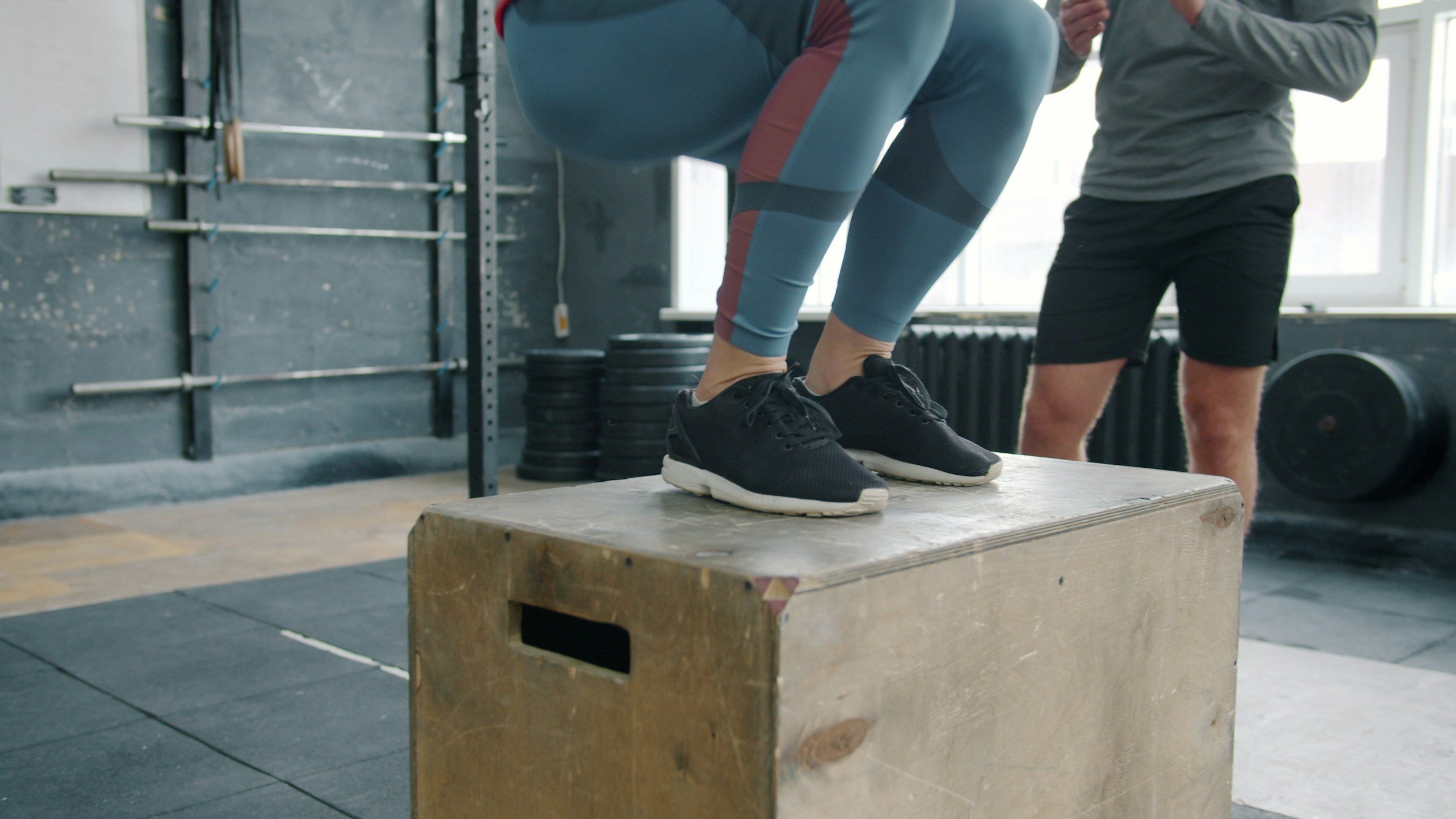
Complex vs. Compound Training Study
5th Semester BSc Sports Science Project
Comparing Compound vs. Complex Training in Beginner to Moderately Trained Individuals
Problem
Compound and complex training methods are both well supported in strength and conditioning literature as effective approaches for power development. However, most existing research focuses on well-trained or elite athletes. There is limited evidence examining how these methods affect individuals who are new to resistance training or have only recently begun weight lifting, and whether one method is more effective than the other in early training stages. This gap makes it difficult for coaches and practitioners to confidently prescribe these methods to novice or moderately trained populations.
Approach
This study was conducted during my undergraduate Sports Science program to compare the effectiveness of compound versus complex training on power development in individuals with little to no formal weight-lifting experience. Participants were defined as those who did not regularly perform resistance training or had only recently begun weight lifting.
Twelve participants were evenly assigned to either a compound training group (n = 6) or a complex training group (n = 6).
Compound training: Alternated heavy resistance and plyometric sessions across training days
Complex training: Combined heavy resistance and plyometric exercises within each training session
Both groups completed a 6-week training intervention consisting of the same exercises, volume, loading schemes, and standardized warm-up routines, all based on relevant literature. Exercises included barbell back squats, counter-movement jumps, and drop jumps.
Power development was assessed before and after the intervention using:
Sargent jump and reach test
Counter-movement jump (CMJ) on a force platform
Barbell squat velocity measured via a linear position transducer
A repeated-measures ANOVA with post-hoc analysis was performed to examine within- and between-group differences.
Outcomes
Results showed no significant differences between the compound and complex training groups across any of the power measures. However, significant improvements from baseline to post-testing were observed in both groups for all three assessments. This indicates that both training approaches were effective in improving lower-body power in individuals new to resistance training over the six-week period.
Key Takeaways & Limitations
Both compound and complex training methods are valid and effective for developing power in novice to moderately trained individuals.
Performance improvements were likely driven primarily by progressive loading of the barbell squat, as plyometric exercises (CMJ and drop jumps) did not include progressive overload (e.g., increased drop height).
A notable limitation was the inclusion of volleyball players, who, due to the nature of their sport, typically have a higher baseline level of lower-body power compared to non-athletes. Although these individuals were evenly distributed between groups, their higher starting power levels may have influenced overall group responses and reduced sensitivity to between-group differences.
For early-stage trainees, overall training stimulus and progressive resistance may be more influential than the structural difference between compound and complex training formats.
Skills Demonstrated
Experimental design in strength and conditioning research
Application of resistance and plyometric training principles
Power assessment using field-based and laboratory methods
Force platform data collection and interpretation
Linear position transducer use for barbell velocity measurement
Statistical analysis using repeated-measures ANOVA
Translating research literature into practical training interventions
Critical evaluation of methodological limitations
Working with novice and moderately trained populations